Articles
-
 The number one reason why proposals lose is price. It is also a lie. It seems like every proposal that loses, loses "on price." It's politically safe. No one is to blame when you lose because of the price. The other company must have “low balled” it, or bid below their costs. They played dirty. It’s not fair. The client must be dumb to award it at a price so low. There’s no way they’ll be able to perform. The truth is that most price losses are due to scoping the project wrong. It’s ju
- 0 comments
- 11,798 views
-
Summary What the customer cares about depends on what they are buying. The closer things get to a commodity, the less the vendor matters and the more that price matters. The closer you get to a unique solution, the more trust and risk matter. Products and services can be either unique solutions or commodities, but what matters to the customer about products and services is different. How the customer perceives their need in relation to this chart matter
- 0 comments
- 240 views
-
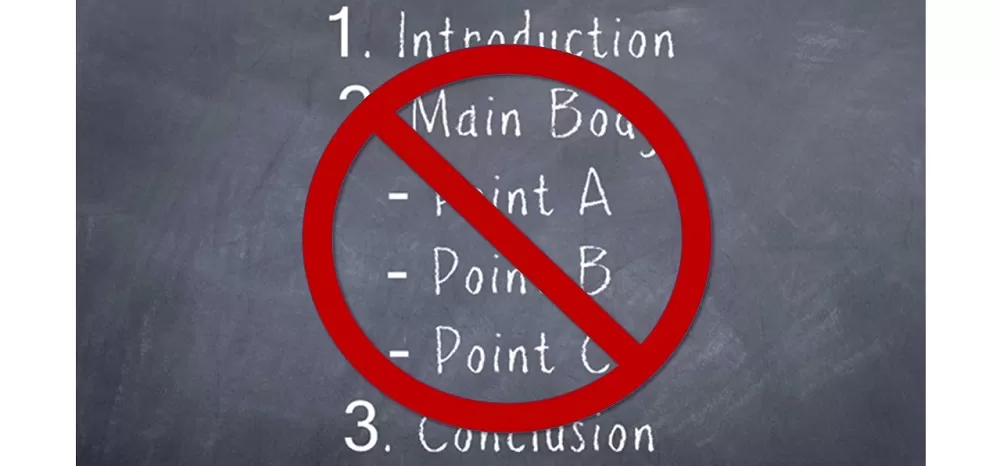 Most of the examples of proposal outlines we see on the internet are bad. Really bad. And many of them are used in textbooks and taught as best practice! Here is a typical example: Title Summary/Abstract Introduction/Background Statement of the Project Problem Recommendation/Solution Objectives Scope Methods Schedule Budget/Pricing Resources/Staffing Conclusion References Now, forget you ever saw it and never use any of these headings. While this outline may g
- 0 comments
- 5,887 views
-
 The primary missions of business development, capture management, and proposal management are all very different. And yet, they share the same goal: winning proposals. Unfortunately, the way they are normally practiced is as a series of hand-offs, with each contributing towards the goal of submitting a winning proposal. They can be so much more, when they aren't trying to be islands unto themselves. Working together, they add up to more than the sum of the parts: Business development i
- 0 comments
- 69,415 views
-
 To build your proposal around what it will take to win, you must: Gather intelligence. Use the Readiness Reviews to gather intelligence about the opportunity, customer, and competitive environment. Assess what you learned. Based on the intelligence you gathered, articulate what it will take to win in the forms of lists so that you can base your win strategies and themes on it. Incorporate it into your Content Plan. To ensure that the proposal text reflects what it will t
- 0 comments
- 271 views
-
 When most people think about what their competitive advantages might be, they tend to focus on themselves. They ask questions like “What do we do better?” and “How can we exceed the requirements?” But they are missing a much better way to find their competitive advantages. A competitive advantage is something that will make it more likely the customer will pick you over your competitors. The best way to find a competitive advantage is to discover your customer’s preferences. When the custo
- 0 comments
- 3,938 views
-
 Before you begin proposal writing, you should prepare a proposal content plan that accounts for everything that should go into the proposal and how it should be presented. Here is some inspiration for writing the instructions that should go into your proposal content plan. Decide what type of guidance you can provide Provide instructions that tell proposal writers what to offer or say Provide instructions to guide the writers to figure out what to offer or say Provide det
- 0 comments
- 3 views
-
 Before you begin proposal writing, you should prepare a proposal content plan that accounts for everything that should go into the proposal and how it should be presented. Here is some inspiration for writing the instructions that should go into your proposal content plan. Decide what type of guidance you can provide Provide instructions that tell proposal writers what to offer or say Provide instructions to guide the writers to figure out what to offer or say Provide det
- 0 comments
- 972 views
-
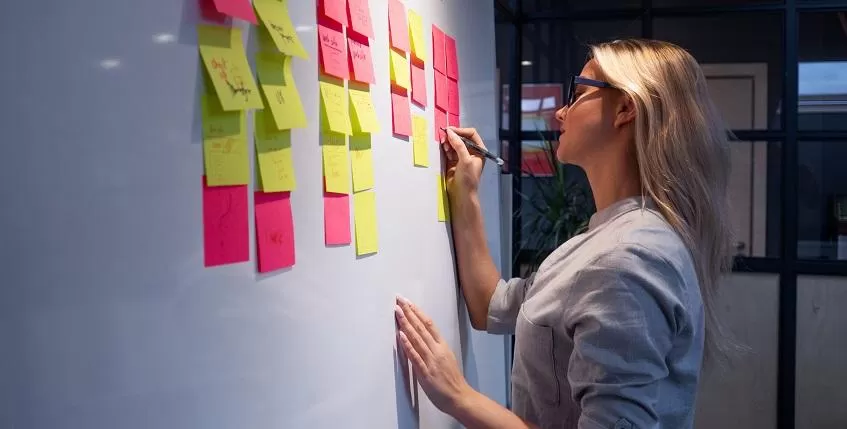 When it’s time to begin working on a proposal, most people start by thinking about what they should write in their proposal. Then they begin creating an outline. And that’s where they go wrong... A proposal outline tells you the structure of the document and not what goes into it or how it should be presented. While you can annotate an outline, that approach can't hold everything that needs to go into a proposal and still be manageable. When you use an outline as your sole planning tool, yo
- 0 comments
- 12,835 views
-
 People spend too much time thinking about what to say about themselves in their proposals and too little time imagining what it must be like as the customer reading what you are submitting. Most people wouldn’t even accept their own proposal if it came from another vendor and it was their decision. Here are 30 reactions the customer might have to your proposal that could result in your losing. Do I know you? Have we ever talked? All they have to say is that they have experience. I
- 0 comments
- 6,536 views
-
 Growth is the source of all opportunity for a contractor. Prices are locked in for the duration of the contract. Even when you account for pricing escalations, that usually just covers inflation, and not promotions, new hires, new tools, etc. Without growth, most contractors can’t even tread water for very long. Without growth, rising costs will force them to cut overhead expenses. Investing for the future almost always comes from growth. Everybody in the company benefits from its growth
- 0 comments
- 4,001 views
-
 Most companies assign whoever’s available to the role of proposal manager. Often it’s the future project manager, someone with a technical writing or editorial background, or an ambitious administrative assistant. Excellent proposal managers can come from these and other backgrounds. But so can failures. We’ve identified seven key things to look for when selecting someone to manage a proposal effort. It’s worth noting that experience with the customer and technical experience with the offer
- 0 comments
- 12,384 views
-
 If you need to write a winning proposal to close the sale, then the pre-RFP pursuit phase isn’t just about lead identification. The pre-RFP pursuit phase becomes about preparing to win the proposal. People can’t achieve the goal if they don’t know what it is. If you have more than one, they need to be prioritized. Qualify the lead. Does it fulfill for the company’s lead qualification criteria? Discover what it will take to win. Can you articulate what it will take to win? How
- 0 comments
- 380 views
-
 Imagine the customer finding a web page providing insight into the issues they face in getting what they want. What would it look like? What would they do with the information? Below are a series of topics that a potential customer would find very helpful if you published the answers. Take a look at this list as you consider what the customer needs to know to write an RFP that results in them getting what they need: Ways that we can work together that don’t require an RFP How much
- 0 comments
- 8,405 views
-
 Since we know that only the customer can decide what a winning proposal is, to increase our win probability we need to be able to guess what the customer will decide. To do that, we need to know what the customer: Needs Expects Finds compelling Can afford You also need to know how they make decisions, what tradeoffs they prefer, and how they evaluate the proposals that they receive. If they formally evaluate and score the proposals they receive, you need to know
- 0 comments
- 7,010 views
-
 Proposals really aren’t about management. Managers operate defined processes with resources and tools to achieve a defined outcome. Proposals are about adapting against a deadline and figuring things out. Proposals require leaders. If you hand me a document and ask me to format it according the RFP specifications and give me sufficient resources and time, I can manage that. But if you hand me an RFP with structural and interpretation problems and tell me to figure out how to create somethi
- 0 comments
- 5,483 views
-
 The problem with planning a Black Hat review is understanding what people’s expectations are. Everyone defines it differently. I’ve never seen two practiced the same way. The very name tells you nothing about its scope. But it does sound cool, and everyone wants to have one. So let me start off with a definition: A Black Hat review is a (preferably pre-proposal) competitive assessment. But that doesn’t tell you what should go into it or how it should be conducted. Learn what your
- 0 comments
- 483 views
-
 Marketing is often poorly defined. What one company calls “marketing” can be very different from another company. Business development is often poorly defined. What one company calls “business development” can be very different from another company. This makes comparing them fun. They overlap so much that some companies don't really do marketing. And that makes understanding the comparison important. What is marketing? What is business development? Marketing is what
- 0 comments
- 1,942 views
-
 If you are treating winning business as an expense, you may be leaving money on the table. Here are some signs that you may have fallen into this trap and recommendations for what to do about it: Are you closing the leads you have? If you are not winning enough of what you pursue, either you are pursuing the wrong leads or you are not pursuing them effectively. If you’re not winning the majority of your pursuits, you are probably leaving money on the table. If you are winning enough to
- 0 comments
- 1,770 views
-
 I was recently asked about what’s changed in the proposal industry over my career. My response was that what strikes me far more is how little has changed. It’s not just that we have the same problems we had decades ago, it’s that there are viable solutions just waiting to be implemented. Every other part of the companies that depend on winning proposals for their revenue have developed and matured their practices. Except the proposal function. Please read the following as motivation and f
- 0 comments
- 2,744 views