Articles
-
 monthly_2025_08/2020-02-1211.30BringingstructuretothePre-RFPreleasephaseofopportunitypursuitArchivedonFebruary132020.mp4.679cb6bc9bc81e7b86b8210dc5b6beef.mp4
- 0 comments
- 750 views
-
 This eBook is your?reward for signing up for our newsletter. It addresses how to write great proposals, bid/no bid decisions, winning before the RFP is released, proposal re-use repositories, improving your win rate, and more! Within a week you should receive your first copy of our newsletter, with new free content and updates.
- 0 comments
- 220 views
-
 This eBook is your?reward for signing up for our newsletter. It addresses how to write great proposals, bid/no bid decisions, winning before the RFP is released, proposal re-use repositories, improving your win rate, and more! Within a week you should receive your first copy of our newsletter, with new free content and updates.
- 0 comments
- 3,458 views
-
Why do customers ask you to describe your approaches in your proposal? What do customers care about related to your approaches? It's not what it seems... Plus strategies for writing about your approaches, what you should avoid when writing about them, what the customer will evaluate, and what can make the difference between winning and losing your proposal.
- 0 comments
- 682 views
-
This course divides the pre-RFP pursuit into these modules: Activities that occur during pre-RFP pursuit (this module) Bringing structure to the pre-RFP phase (next module) Preparing to transition from pre-RFP pursuit to the proposal Starting at RFP release (because it happens) This module is primary about setting the stage for customer interaction in anticipation of a proposal. In this module we'll document the activities that occur in a pursuit before the RFP
- 0 comments
- 520 views
-
 Why do customers care about your capabilities? What do customers care about that's related to your capabilities? How do you use your capabilities to support other things that customer cares about? Strategies for writing about capabilities. What should you avoid writing about and what will the customer evaluate? What can make the difference between winning and losing?
- 0 comments
- 789 views
-
 Working on proposals as the only proposal specialist is like working without a net. But are you really alone? Sure, you might be the last one to touch the proposal. You might be the only one producing it. But if you have stakeholders, you are not alone. If you need input, you are not really alone. If people depend on your output, you are not really alone. If you are not really alone, you need to coordinate with the others who are involved or impacted. Even if you are truly the only one working o
- 0 comments
- 1,963 views
-
The first module is about defining the scope of what we're going to create together. Are we enhancing your existing process or building a new one? Are focusing on the pre-RFP phase or the proposal phase? We'll cover both, but how will we apply the material? That's why the first module focuses on discovery and discussion with stakeholders. The material in the first module is designed to be thought-provoking. The topics provide some background and context that will help once the introduction
- 0 comments
- 227 views
-
The first module is about defining the scope of what we're going to create together. Are we enhancing your existing process or building a new one? Are focusing on the pre-RFP phase or the proposal phase? We'll cover both, but how will we apply the material? That's why the first module focuses on discovery and discussion with stakeholders. The material in the first module is designed to be thought-provoking. The topics provide some background and context that will help once the introduction
- 0 comments
- 454 views
-
 2019 adds up to some big numbers Since we started in 2001, we have had over 8 million visitors. That's nearly half a million visitors a year, on average. Over 71,000 have requested to join our newsletter. Over 3,500 became PropLIBRARY Subscribers. A lot of people who need to win proposals for their business to succeed give us their attention and we appreciate it so much. I remember when I started down this path and could remember all their names. I still try to respond to nearly all the
- 0 comments
- 1,780 views
-
 Slow down. Take your time. Get comfortable. Ponder the meaning of it all. These topic hubs lead to hundreds of links with over a thousand pages worth of material. Don't try to consume it all in one sitting. Study them like a book that can change the future of your company and the direction of your career. Or maybe just give you an occasional smile. Before the proposal: business development and capture Relationship marketing Making effective bid/no bid decisions
- 0 comments
- 1,140 views
-
 Form for implementing our recommendations from the article, 36 ways to tailor proposal re-use content before using it. Use it to assess proposal re-use material against the current environment to enable you to determine how to best tailor it.
- 0 comments
- 730 views
-
 Here's the problem with proposal re-use repositories. Imagine two customers who both want the same system, application, product, service, solution or whatever you offer. The specs are the same. However... One customer is decentralized, another is centralized. One customer has a formal culture, one is informal. One wants innovation, another is risk averse. One wants to manage the staff on the project, another doesn't want to be bothered. One is value conscious, the other is price fixated. One has
- 0 comments
- 5,903 views
-
 A lot of well-meaning people give really bad advice on marketing. Instead of saying "what has worked for me is…" they say things like "the only way to be successful is to…" Marketing rules of thumb aren't. Your goals, circumstances, resources, customer preferences, strategies, positioning, ability to execute, and so much more makes one person's marketing success another person's marketing failure. Everything depends on the nature of what you offer. The “rules” are very different if:
- 0 comments
- 3,474 views
-
 What you need to win a proposal depends on what happened before the RFP was released and the proposal effort kicked off. This means that winning proposals can depend on what you did before the proposal even started. So let’s take a look at what happens before the proposal starts: What the customer does before the RFP is released This is what the customer has to do, starting from RFP release and working backwards: The RFP is released. But before that: The customer announc
- 0 comments
- 2,393 views
-
monthly_2025_08/2019-10-2510.58GovConsalesplansandleadgenerationdiscussion.mp4.c2ef580c8b4e2e0537f4d8fd1a07f28d.mp4
- 0 comments
- 3,592 views
-
 Winning government contracts requires knowing how to succeed at every step throughout a ridiculously long sales cycle. Winning government contracts requires attention and doing your homework. The good news is that most companies really aren’t that good at it. Most companies who are registered to do business with the government end up doing little or none. And most established companies merely do well enough. Most government contractors lose more contract bids than they win. They are vulnerable a
- 0 comments
- 2,818 views
-
Having the best offering is a key part of what it takes to win. Another way to say this is that the most important ingredient in your proposal is what you are going to propose. When it comes to planning the content of your proposal, we advocate planning your offering and planning the writing of your proposal separately. When you do both at the same time, the risk compounds itself, and changes in the writing that result from a change in what you want to offer can cause a cascade effect that
- 0 comments
- 293 views
-
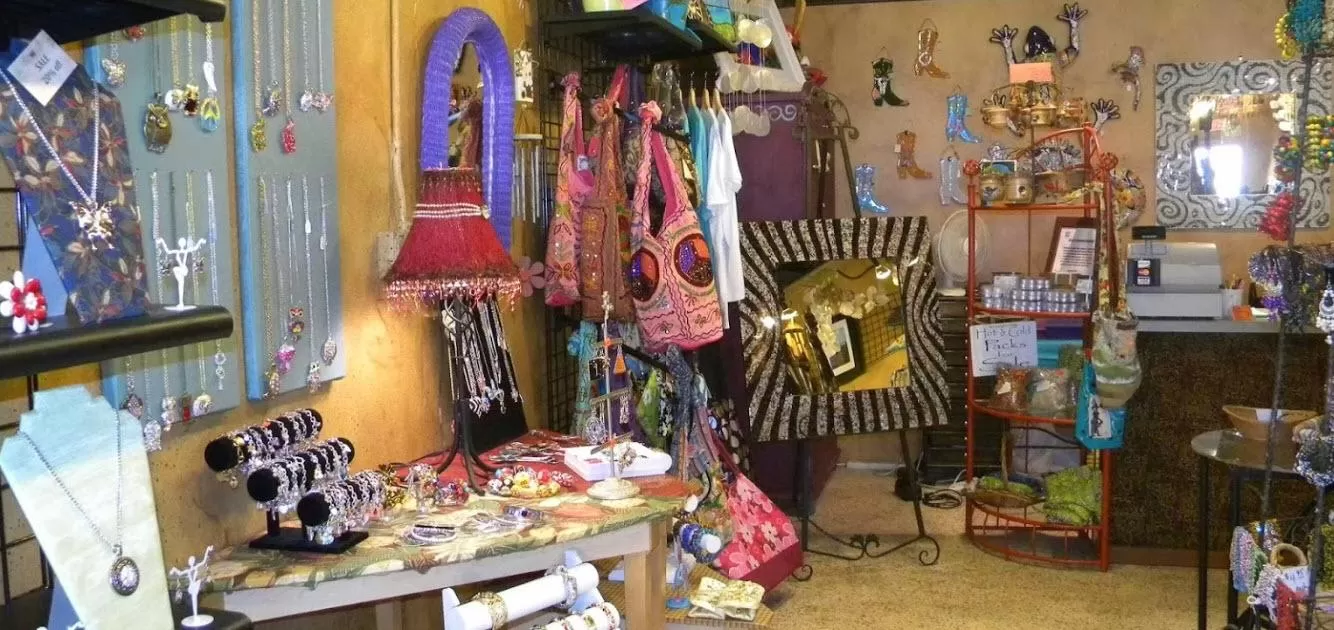 I learned some important lessons this week about proposals, capture, and business development by talking to some artists and people who know nothing about business. I got dragged to a cocktail party in a quaint little historic district populated by galleries and boutiques. I love the area, but when it unsolicited I usually don’t engage in talks about business with little retail startup businesses, especially boutiques that I believe are mostly doomed to fail. But I do listen. I liste
- 0 comments
- 1,513 views
-
 Most proposal process "best practices" fail in the real world. In the real world, some companies are centralized and some are decentralized. Some companies are authoritarian and some are consensus driven. In some companies the pre-RFP pursuit and the post-RFP pursuit are organized under the same leadership and in some they are not. Successfully implementing a proposal process requires understanding which practices are a match for your company. So how do you design a proposal process to surviv
- 0 comments
- 6,992 views